
Why Medicare Agents Can’t Afford to Ignore Final Expense
Cross sell – medicare and final expense is a proven strategy that allows insurance agents to fill critical coverage gaps for their Medicare clients while significantly increasing their own revenue and client retention. Here’s what you need to know:
Key Benefits of Cross-Selling Medicare and Final Expense:
- For Agents: 20-30% average revenue increase, potential to earn an extra $75,000 annually, 40% higher client loyalty
- For Clients: Covers funeral costs averaging $8,000-$19,000, protects family from financial burden, provides comprehensive protection beyond Medicare
- Critical Compliance: Separate Medicare and final expense conversations, use Scope of Appointment (SOA) forms, schedule distinct appointments for non-health products
- Best Approach: Use fact-finders during Medicare discussions, ask about final expense arrangements, demonstrate affordability through Med Supp savings
The Coverage Gap Reality:
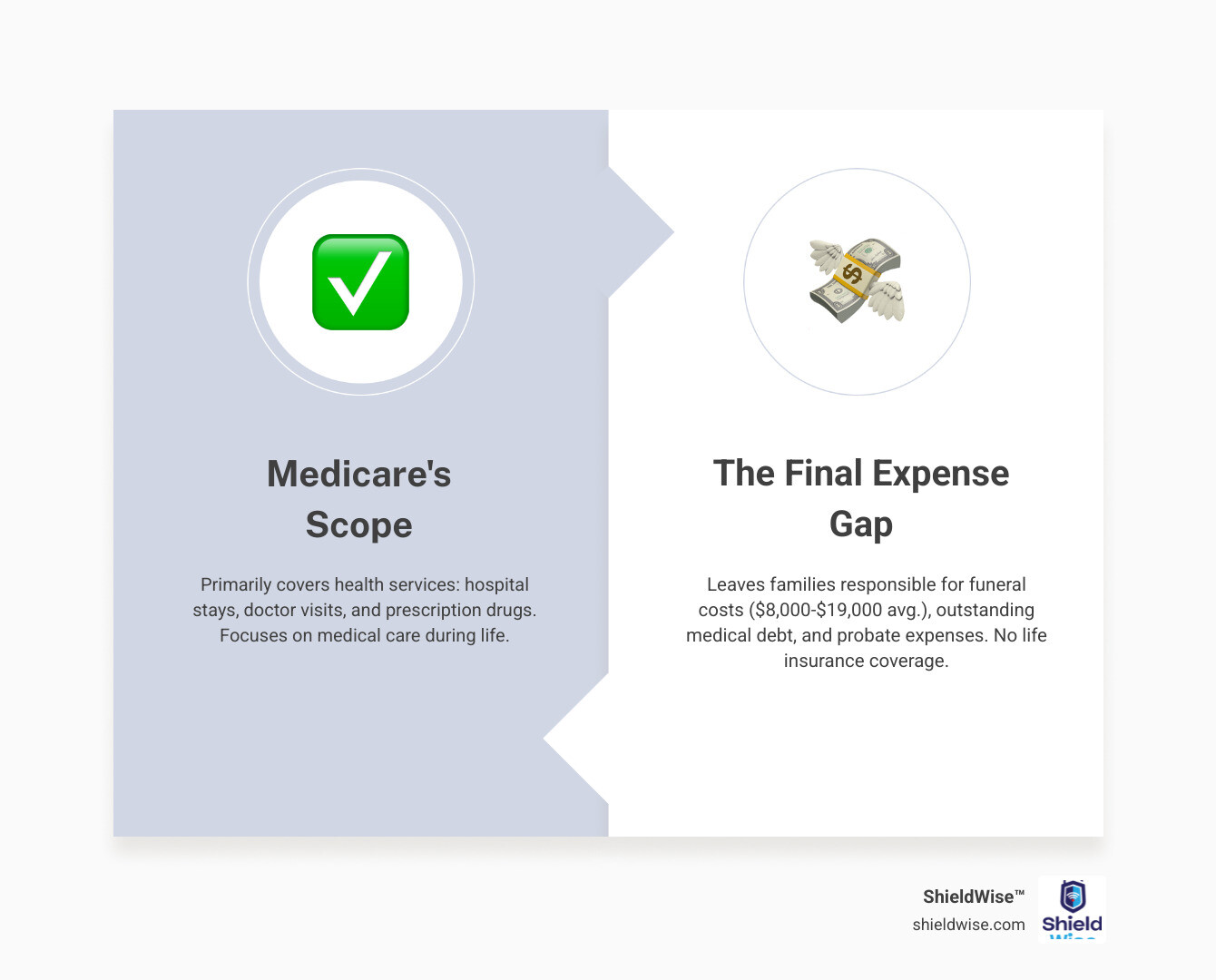
Medicare provides health insurance but leaves families vulnerable to significant end-of-life costs. The average funeral, burial, and related expenses total nearly $19,000—costs that Medicare never covers.
When you sit down with a client to discuss their Medicare options, you’re already in a position of trust. They’ve invited us into their financial and healthcare decisions at one of the most critical times of their life. But here’s what many agents miss: Medicare solves only half the problem.
Your client might have excellent hospital and doctor coverage, but what happens when they pass away? Who pays the $8,000 funeral bill? What about outstanding medical debt, probate costs, or the small expenses that add up quickly? Medicare doesn’t provide life insurance coverage, and most seniors on fixed incomes haven’t planned for these final expenses.
This is where the opportunity—and the responsibility—lies. Agents who successfully cross sell – medicare and final expense aren’t just earning more commission. They’re preventing real financial crises for families. Research shows that agents making over $200,000 annually offer six or more products, and cross-sold clients are 40% more likely to remain loyal.
Yet many agents hesitate. They worry about appearing “salesy” or fear losing the Medicare sale by bringing up additional products. The reality? When done correctly and compliantly, cross-selling positions you as a comprehensive advisor who truly cares about your client’s complete financial picture.
At ShieldWise, we’ve spent years analyzing the intersection of Medicare coverage and final expense protection, helping agents understand how to ethically and effectively cross sell – medicare and final expense while maintaining full compliance with CMS regulations. Our mission is to provide clear, unbiased guidance that benefits both agents and the families they serve.
Why Cross-Selling is a Win-Win for Agents and Clients
For many agents, the idea of introducing additional products, especially something as sensitive as final expense insurance, can feel daunting. We get it. There’s a natural hesitation to complicate a Medicare discussion or to appear overly focused on sales. However, understanding the profound benefits for both you and your clients can transform this hesitation into confidence.
Agents who make more than $200,000 annually offer six or more products. This isn’t a coincidence; it’s a testament to the value of a comprehensive approach. When we expand our offerings beyond just Medicare, we not only increase our income potential but also solidify our role as indispensable advisors.
Cross-selling isn’t about pushing products; it’s about identifying and addressing unmet needs. For example, Medicare clients are often concerned about their health, but they also have worries about their financial future and the potential burden on their loved ones. By addressing these concerns, we offer true peace of mind.
The Key Benefits for Insurance Agents
Let’s be frank: the financial incentives for agents who successfully cross sell – medicare and final expense are significant. Agents who expand into life insurance, including final expense, see an average 20–30% increase in annual revenue. Imagine earning an extra $75,000 a year by selling just two final expense cases per week – that’s a game-changer for your business!
Beyond immediate commissions, cross-selling fosters long-term business growth. Cross-sold clients are 40% more likely to stay loyal to their agent. Why? Because you’ve demonstrated a deeper commitment to their overall well-being, not just their health coverage. This loyalty translates into higher retention rates and a more stable book of business.
Furthermore, cross-selling with your existing Medicare clients means there’s no additional cost of acquisition. You don’t have to purchase more leads or spend time prospecting new clients; you’re leveraging relationships you’ve already built. This also creates year-round sales opportunities, allowing you to generate income outside of the busy Annual Enrollment Period (AEP).
At ShieldWise, we believe that offering a wider range of products, including final expense, makes you a more valuable resource to your clients. This comprehensive approach can also lead to referrals, further expanding your client base organically. For more insights on financial planning for later life, explore our resources on affordable insurance solutions.
How Clients Benefit from a Holistic Approach
When we discuss Medicare, we’re covering essential health needs. However, Medicare, by design, leaves significant gaps, particularly regarding end-of-life financial planning. By offering final expense insurance, we help clients close these critical gaps.
Medicare doesn’t provide life insurance coverage. This is a crucial point many seniors overlook. Without proper planning, their families could be left to shoulder substantial costs after their passing. Final expense insurance directly addresses these concerns, covering funeral costs, burial expenses, and any lingering medical bills or debts. This coverage prevents family from facing an unexpected financial burden during a time of grief.
Clients benefit immensely from having one trusted advisor who can handle both their health and their end-of-life planning. It offers convenience and consistency, simplifying their financial lives. Instead of juggling multiple agents for different insurance needs, they have a single point of contact who understands their complete situation. This holistic approach ensures they are truly protected from all angles. To better understand these critical protections, learn more about What are Final Expenses?.
Overcoming the Fear of Being ‘Salesy’
The primary reason agents hesitate to cross sell – medicare and final expense is often the fear of appearing “salesy” or making clients uncomfortable. We understand this concern. However, we encourage a shift in mindset: instead of selling, think of yourself as a consultant or an educator.
Your role is not to push a product, but to uncover needs and offer solutions. When you approach the conversation from a place of genuine concern for your client’s well-being, the “salesy” feeling dissipates. You’re simply asking a question that, if ignored, could lead to significant hardship for their family.
As one expert puts it, “When you don’t offer ancillaries, your beneficiaries are left exposed, and you miss out on potential revenue.” This highlights the ethical responsibility we have to inform clients of potential vulnerabilities. By asking thoughtful questions, you’re building trust and positioning yourself as a comprehensive advisor who anticipates and addresses all aspects of their financial security. This consultative approach empowers clients to make informed decisions that benefit their families.
Understanding the Products: Medicare Gaps and Final Expense Solutions
To effectively cross sell – medicare and final expense, we must first thoroughly understand both products and, crucially, where Medicare’s coverage ends and final expense insurance steps in. This clarity allows us to articulate the need for final expense coverage with confidence and empathy.

Medicare is a health insurance program, plain and simple. It helps with hospital stays, doctor visits, and prescription drugs. But when it comes to the inevitable costs associated with passing away, Medicare offers no assistance. This is where final expense insurance becomes not just an option, but a necessity for many seniors.
What Medicare Doesn’t Cover: The Shocking Reality of Final Costs
It’s a common misconception that Medicare or other health insurance plans will cover funeral and burial costs. The truth is stark: Medicare is strictly health insurance. It does not provide life insurance coverage. This means that the financial burden of end-of-life expenses falls entirely on the family, unless alternative arrangements have been made.
The costs associated with passing away can be substantial. The average cost of a funeral, viewing, and burial totals just shy of $8,000. And that’s just for the funeral itself! When we factor in other end-of-life necessities like outstanding medical bills, legal fees, probate costs, and other debts, the average out-of-pocket expenditure can be around $11,618. If you add these up, the total final expenses for the average person is just under $19,000.
For our clients in Illinois, this figure is even higher. The average total final expenses in Illinois are approximately $20,314. This significant amount can create immense financial strain for grieving families, especially if the deceased was the primary breadwinner or had limited savings. Our goal is to prevent this hardship. To learn more about these often-overlooked expenses, visit learn about end-of-life expenses.
Final Expense Insurance Explained
Final expense insurance, also commonly referred to as burial insurance or funeral insurance, is a type of whole life insurance designed to cover these specific end-of-life costs. It’s typically a smaller policy, usually ranging from $5,000 to $50,000, making it more affordable for seniors on fixed incomes.
Here’s a quick overview of the common types of final expense policies:
| Policy Type | Health Questions | Waiting Period | Cost | Key Feature |
|---|---|---|---|---|
| Level | Few | None (Immediate) | Lowest | Immediate full coverage for healthy individuals. |
| Graded | More detailed | 2-year partial | Moderate | Partial benefit paid in first 1-2 years, then full. For those with minor health issues. |
| Modified | Detailed | 2-year return of premium + interest | Higher | Return of premiums plus interest if death occurs in first 2 years, then full benefit. For more significant health issues. |
| Guaranteed Issue (GI) | None | 2-year return of premium + interest | Highest | No health questions, guaranteed acceptance. For those with serious health conditions. |
This table provides a general overview; specific terms and conditions vary by carrier.
These policies offer simplified underwriting, meaning fewer medical questions and often no medical exam, making them accessible even for clients with pre-existing health conditions. They also build cash value over time, which clients can access if needed. The primary benefit, however, is the peace of mind knowing that when the time comes, their loved ones won’t be burdened by funeral expenses. For a deeper dive into how these policies work, explore Final Expense Basics and Education and What is Burial Insurance?.
The Compliant Playbook to Cross Sell – Medicare and Final Expense
Compliance is paramount when we cross sell – medicare and final expense. The Centers for Medicare & Medicaid Services (CMS) has strict guidelines to protect Medicare beneficiaries from misleading sales practices. Ignoring these rules can lead to severe penalties, so it’s crucial to understand and adhere to them every step of the way.

Our approach at ShieldWise is always to ensure that we are compliant, ethical, and transparent. This not only protects us as agents but also builds immense trust with our clients, demonstrating that their best interests are our top priority.
Crucial CMS Rules You Must Follow
The most important rule from CMS regarding cross-selling is the separation of conversations. You cannot promote non-health-related products, such as life insurance or final expense insurance, during a Medicare sales appointment or presentation. This is a clear boundary set by CMS.
CMS does allow cross-selling, but with clear boundaries:
- You must separate Medicare discussions from non-health-related product discussions.
- Non-health-related products cannot be discussed or promoted during an individual Medicare appointment, marketing/sales event, or when providing Medicare plan enrollment assistance.
This means if you’re meeting with a client to discuss their Medicare Advantage plan, you cannot, in that same appointment, transition into a discussion about final expense insurance. You must schedule a separate, distinct appointment for the final expense discussion. This separation is non-negotiable. For detailed regulations, refer to the CMS guidelines and Medicare Advantage Marketing Regulations.
The Scope of Appointment (SOA): Your Compliance Shield
The Scope of Appointment (SOA) form is your critical compliance shield when dealing with Medicare products. This form documents the client’s permission for what products you are allowed to discuss during a specific appointment.
Key rules for the SOA:
- Documentation: An SOA must be completed prior to any Medicare-related appointment. It tells CMS and your agency that the client agreed to the appointment topics.
- 48-Hour Rule: You cannot set an appointment for a Medicare product less than 48 hours after receiving a signed SOA, with some exceptions for walk-ins or client-initiated requests.
- Sticking to the Scope: Only discuss the products listed on the SOA. If a client brings up final expense during a Medicare appointment, you must politely state that it’s outside the scope of the current meeting and offer to schedule a separate appointment.
- 10-Year Record Keeping: SOAs must be kept on file for at least 10 years. This documentation protects both you and the client.
The SOA ensures that clients are not ambushed with discussions they didn’t consent to, fostering a transparent and ethical sales environment.
Best Practices for Documenting Conversations
Thorough documentation is not just a compliance requirement; it’s a best practice that protects your business and improves client relationships. When we cross sell – medicare and final expense, every interaction should be carefully recorded.
This includes:
- CRM Notes: Detailed notes in your CRM system about every conversation, including the topics discussed, questions asked, and any concerns raised by the client.
- Follow-up Emails: After a Medicare appointment, if you’ve offered to schedule a separate final expense discussion, send a follow-up email confirming the next appointment and its specific purpose (e.g., “to discuss your final expense planning needs”).
- Written Recommendations: If you provide any recommendations for final expense policies, document them in writing and provide a copy to the client. This could be a simple summary of the proposed plan, benefits, and premium.
- Call Recordings: If conducting phone appointments, recording calls (with client consent, where required) provides an undeniable record of the conversation.
These practices create a clear paper trail, demonstrating your adherence to compliance and your commitment to transparent client service. This level of professionalism builds trust and positions you as a reliable advisor.
Actionable Strategies for a Seamless Cross-Sell
Now that we understand the “why” and the “how” of compliance, let’s dive into the practical “how-to” of effectively cross-selling final expense insurance to your Medicare clients. This involves identifying needs, initiating conversations, and demonstrating value in a way that resonates with seniors on fixed incomes.
The key is to integrate these strategies naturally into your existing Medicare sales process, ensuring that the client feels supported and understood, not pressured.
Identifying Client Needs During a Medicare Discussion
The best time to identify a client’s need for final expense insurance isn’t during the final expense presentation itself, but subtly during your initial Medicare discussion. This is where a comprehensive fact-finder or needs assessment tool becomes invaluable.
During your Medicare conversation, you can ask open-ended questions that gently probe their financial planning without directly selling:
- “As we plan for your healthcare in retirement, have you also given thought to your long-term financial legacy?”
- “Many of our clients find peace of mind knowing their family won’t face financial burdens after they’re gone. Have you made any arrangements to take care of final expenses?”
- “Do you currently carry any life insurance? If so, what purpose does it serve for you?”
- “What happens to your family if something happens to you?” or “How will I cover final expenses?”
These questions help you gauge their awareness and existing planning. If they express concern or indicate they haven’t planned, you’ve identified a need. You can then say something like, “That’s a common concern, and while we need to focus on your Medicare today, I’d be happy to schedule a separate, brief conversation to discuss some simple solutions that many seniors find helpful for their final expenses.” This compliant approach allows you to plant the seed. To help determine if final expense insurance is a potential fit, consider using simple questions as outlined in this guide.
Effective Conversation Starters and Sales Tactics for the cross sell – medicare and final expense
Once you have that separate appointment for final expense, the conversation needs to be empathetic and value-driven. Here are some effective strategies:
- Highlight the Burden: Start by acknowledging the emotional difficulty of the topic, then gently explain the financial burden many families face. “Nobody wants to leave a burden to family and loved ones when they pass.”
- Use Med Supp Savings: This is a powerful tactic. If you’ve saved a client money on their Medicare Supplement, show them how that monthly saving can be redirected to fund a final expense policy. For example, “We just saved you $50 a month on your Medicare Supplement. What if we used that $50 to ensure your family won’t have to worry about funeral costs?” This is the “save a lot here, spend a little there” approach.
- Bundling Policies: You can present a package deal where a Medicare Supplement and Final Expense policy together cost the same as the client’s current Med Supp premium. This makes the new coverage feel “free” or easily absorbed within their existing budget.
- Focus on Peace of Mind: Frame the policy as a gift to their family, ensuring their wishes are honored and their loved ones are protected during a difficult time.
- Personal Anecdotes (Ethical): If appropriate, share a general anecdote (without identifying specifics) about a family you’ve helped avoid hardship, or one that faced it because of a lack of planning. This creates a relatable scenario.
The goal is to be a problem-solver, not a pushy salesperson. You’re offering a solution to a very real, often unspoken, concern.
Demonstrating Value and Affordability
Many seniors believe final expense insurance is too expensive or unnecessary. Our job is to demonstrate its value and affordability.
- Quote Average Costs: Start by reminding them of the average costs. “As we discussed, the average funeral and burial in Illinois can be over $20,000. That’s a significant amount for any family to come up with suddenly.”
- Show Premium Examples: Provide concrete examples of what a modest policy might cost. For instance, a nonsmoking female, 70 years old, could buy a $13,000 death benefit for around $51 per month from a reputable carrier. This makes the cost tangible and often lower than expected.
- Connect to Savings: Reiterate how the savings from their Medicare plan can directly fund this new policy. “By optimizing your Medicare coverage, we’ve freed up funds that can now secure your family’s future.”
- No Waiting Period Options: Highlight that for healthier individuals, policies with immediate coverage (no waiting period) are available, providing instant peace of mind.
- Emphasize Simplicity: Explain that final expense policies are straightforward, with guaranteed premiums that never increase and benefits that never decrease, providing predictable protection.
By focusing on the tangible benefits, the relatively low cost, and the peace of mind it offers, you can effectively demonstrate the immense value of final expense insurance. To help your clients compare options, direct them to our Compare Final Expense Quotes page or our information on Low Cost Final Expense.
Conclusion: Become the Go-To Advisor for Your Clients
Successfully cross-selling cross sell – medicare and final expense is more than just a sales strategy; it’s a commitment to comprehensive client care. We’ve seen how this approach creates a powerful win-win: agents boost their income and client retention, while clients gain invaluable peace of mind, knowing their loved ones are protected from the financial burden of end-of-life expenses.
By understanding the critical gaps in Medicare coverage, adhering strictly to CMS compliance rules, and employing empathetic, needs-based sales tactics, you can seamlessly integrate final expense into your client conversations. Your role is to be a trusted advisor, an educator who anticipates and addresses all aspects of your clients’ financial well-being.
At ShieldWise, we empower agents with the tools, resources, and knowledge to master this crucial cross-selling technique. We believe that by offering a holistic suite of products, you not only build a more robust and loyal book of business but also make a profound difference in the lives of the families you serve.
Don’t let the fear of being “salesy” prevent you from truly serving your clients. Take the next step to become the go-to advisor for all their senior insurance needs. Explore our comprehensive resources and get started on offering a complete solution with a comprehensive Final Expense Insurance plan.